
Knowledge
Incontinence during and after pregnancy
Often hidden and underestimated
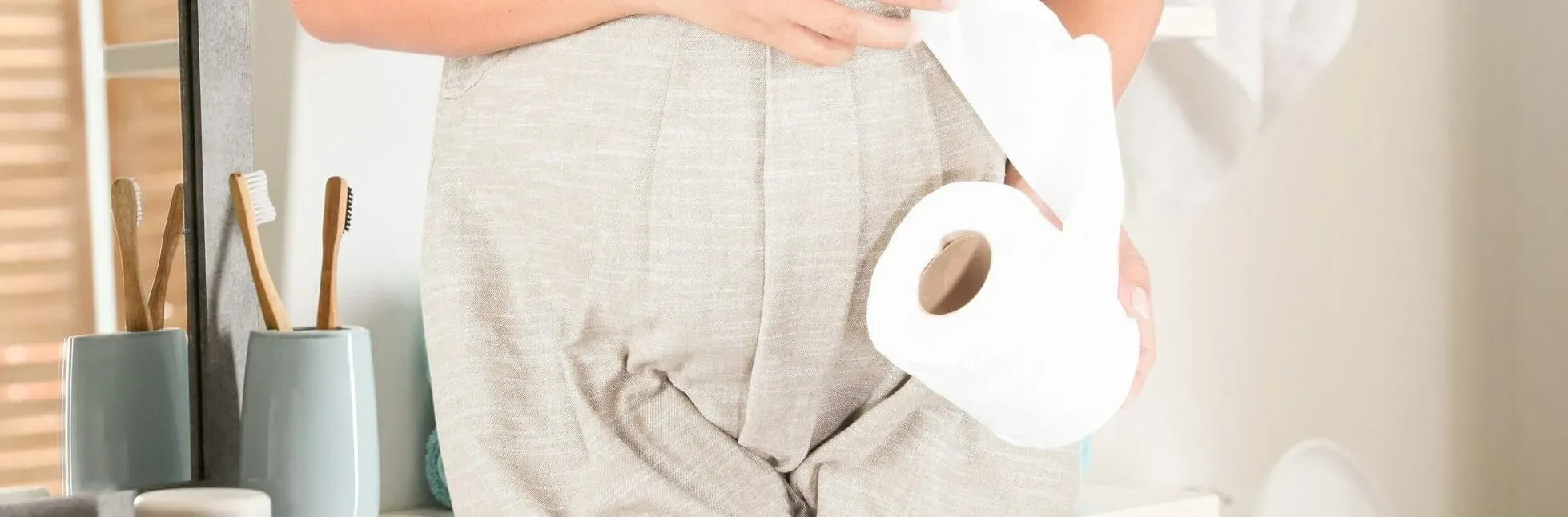
Incontinence is much more common during pregnancy than many realize, affecting both the bladder and bowels—and sometimes persisting beyond childbirth.
Incontinence during pregnancy – More common than expected
Many women experience incontinence for the first time during pregnancy. However, they often feel uncomfortable discussing it—whether with their partner or their doctor. But there is no reason for embarrassment: Incontinence is a medical condition like any other, and it is by no means uncommon during pregnancy.
Recent data from 46 studies involving 10,832 women across 21 countries provide clear evidence:*
- In the second and third trimesters, more than one in three women experience unintentional urine leakage (urinary incontinence). Within the first three months postpartum, this still affects one in three women.
- In late pregnancy, around one in four women experience unintentional loss of gas (flatal incontinence) and/or stool (fecal incontinence). One in five women continue to experience these issues even a year after giving birth.
Source: Woodley SJ et al., Cochrane Review, published May 6, 2020
Stress incontinence during pregnancy
The most common type of urinary incontinence during pregnancy is stress incontinence, which occurs when physical strain (e.g., sneezing, laughing) puts pressure on the bladder, overwhelming its closure mechanisms.
Risk factors include:
- Genetic predisposition
- Overweight
- Smoking
- Excessive straining due to constipation (a frequent pregnancy symptom)
- Older maternal age, which increases the likelihood of incontinence during pregnancy*
Women who experience urinary incontinence during pregnancy have a higher risk of recurring incontinence later in life, particularly around menopause.*
Source: Int Urogynecol J 2013; 24: 889-899
Pregnancy, uterine growth, and incontinence
As the baby grows, its increasing weight and size exert greater pressure on the bladder. This reduces bladder capacity, especially in the third trimester, which is why many pregnant women need to urinate more frequently—including at night. Additionally, the growing uterus puts strain on the pelvic floor muscles, which play a key role in bladder and bowel control. These factors together increase the likelihood of incontinence during pregnancy.
Pregnancy, hormonal changes, and incontinence
Hormones cause significant physical and emotional changes. Women are already familiar with this from their menstrual cycles. During pregnancy, hormones such as estrogen, progesterone, and human chorionic gonadotropin (hCG) ensure a smooth pregnancy but also contribute to various discomforts (e.g., nausea, constipation). Estrogen plays a key role in pregnancy-related incontinence:
- It increases the elasticity of the pelvic floor muscles, allowing them to stretch as the uterus grows.
- Greater elasticity also facilitates childbirth by helping the vaginal canal expand.
However, the pelvic floor also supports the urethra and rectum, which explains why incontinence of both bladder and bowel is common during pregnancy.
Bladder and bowel incontinence after childbirth
Even after pregnancy, bladder and bowel incontinence can persist for a while. This is normal because pelvic floor recovery can take up to a year.
The type of childbirth also affects the severity and duration of postpartum incontinence: Women with severe perineal tears or forceps deliveries are at higher risk. Additional risk factors include high birth weight and a prolonged pushing phase during labor.
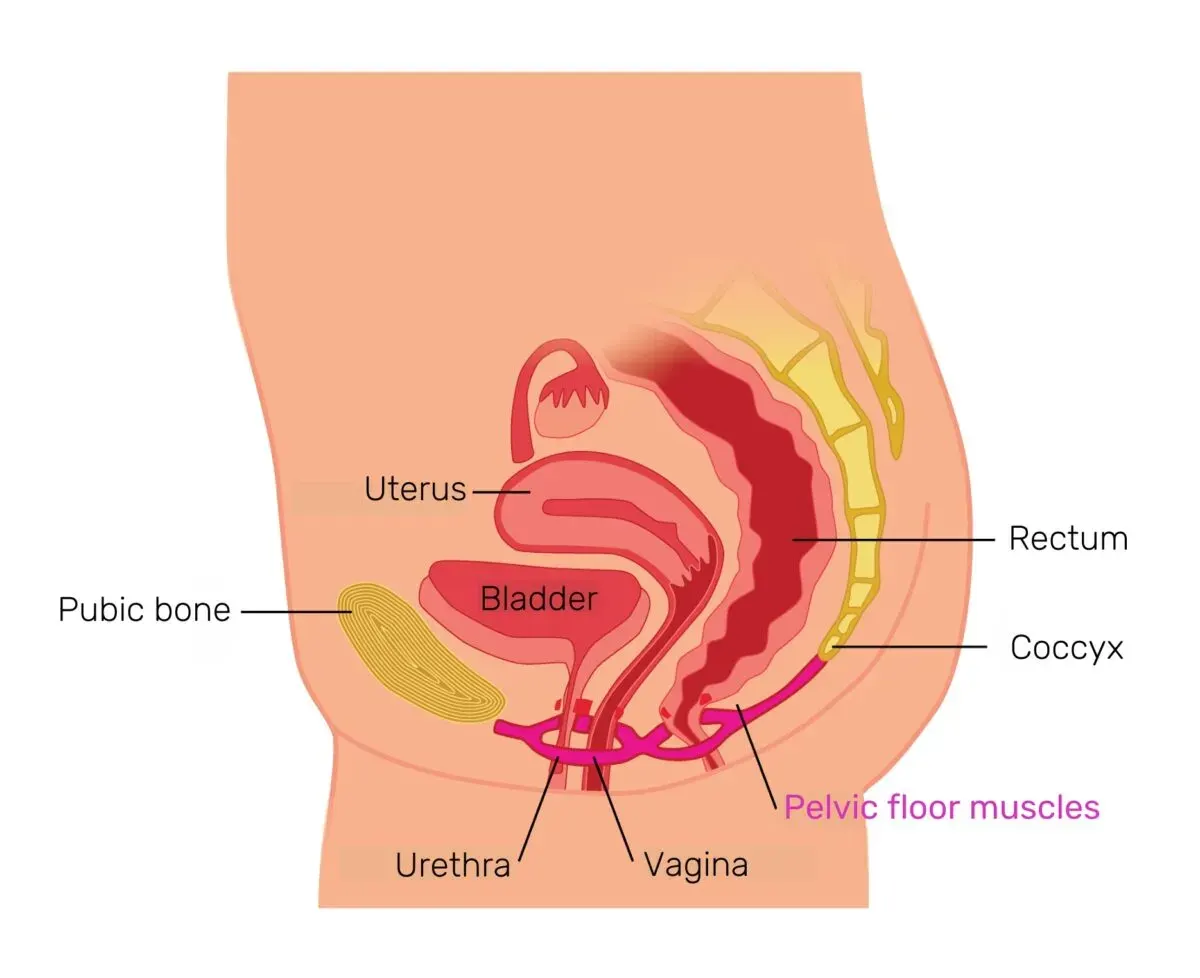
Pelvic floor training and proper hygiene
The first point of contact for pregnancy-related incontinence should be a gynecologist or midwife. They can provide guidance on pelvic floor exercises, which help many women alleviate or even eliminate incontinence when practiced correctly and regularly.
The Importance of Good Intimate and Anal Hygiene
Proper intimate and anal hygiene is essential during and after pregnancy. Furthermore, frequent contact with urine and stool can irritate the delicate genital skin, leading to soreness and inflammation.
This risk is especially high after childbirth, as the perineal area may have suffered injuries (e.g., episiotomy or perineal tears).
For these reasons, proper hygiene is crucial during pregnancy and the postpartum period: Deumavan Protective Ointment protects and soothes irritated or injured skin in the intimate and anal areas. Deumavan Washing Lotion provides gentle, mild cleansing.



Medical device
Deumavan Protective Ointment Neutral
- For her and him
- hormone-free
- medical skin protection for the genital area
- preservative-free